Neural circuits for pain and pain relief
About us
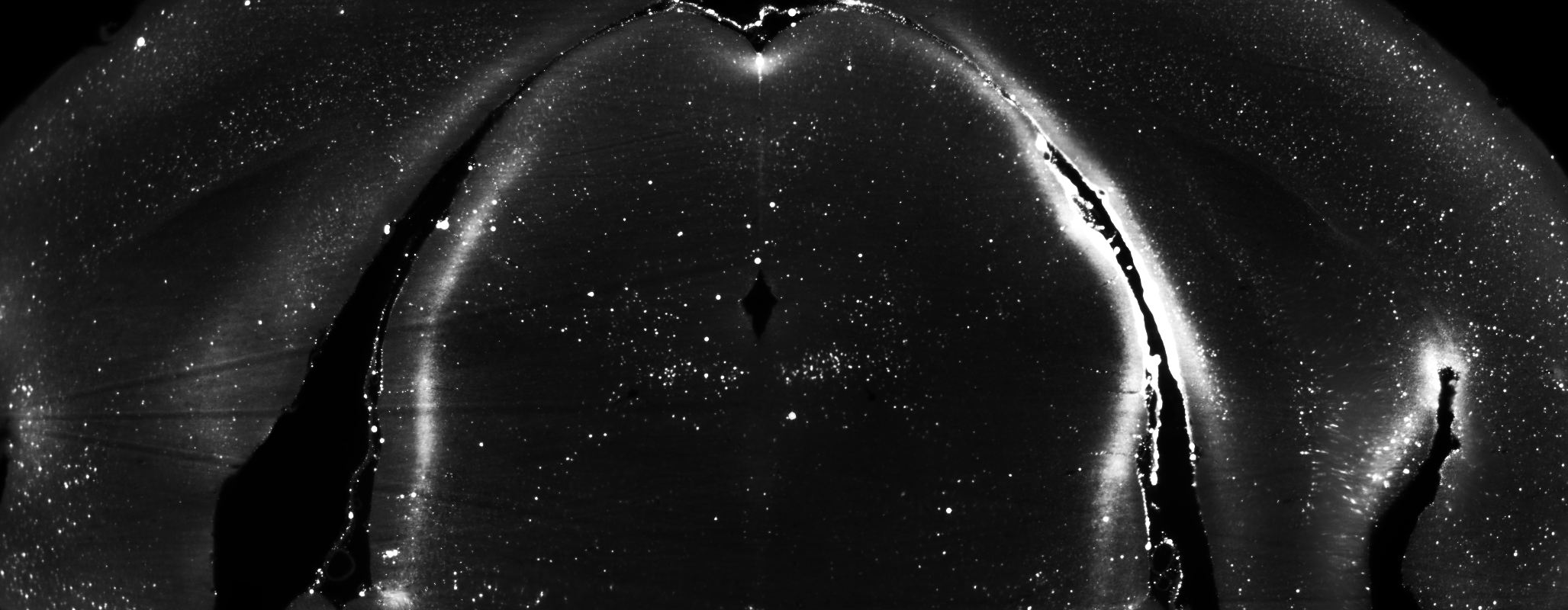
The Pool Lab studies how pain and pain relief are implemented in the mammalian nervous system. Pain is among the most powerful of biological motivations — it redirects behavior, drives learning, and in its chronic forms becomes a disease in its own right. We work out which neurons carry injury signals from the spinal cord to the brain, how the brain turns those signals into avoidance, suffering and recovery behaviors, and how the body’s own pain relief circuits suppress that experience.
To do this we combine single-cell transcriptomic and epigenomic profiling, spatial transcriptomics, viral manipulations, chemo- and optogenetics, imaging and behavioral analysis, building cell-type resolution maps of the pain system from the spinal cord upward. We then use the molecular identity of these neuron types to design cell-type targeted tools that make them selectively addressable — turning circuit nodes into therapeutic targets, in model organisms and ultimately in humans.
Location
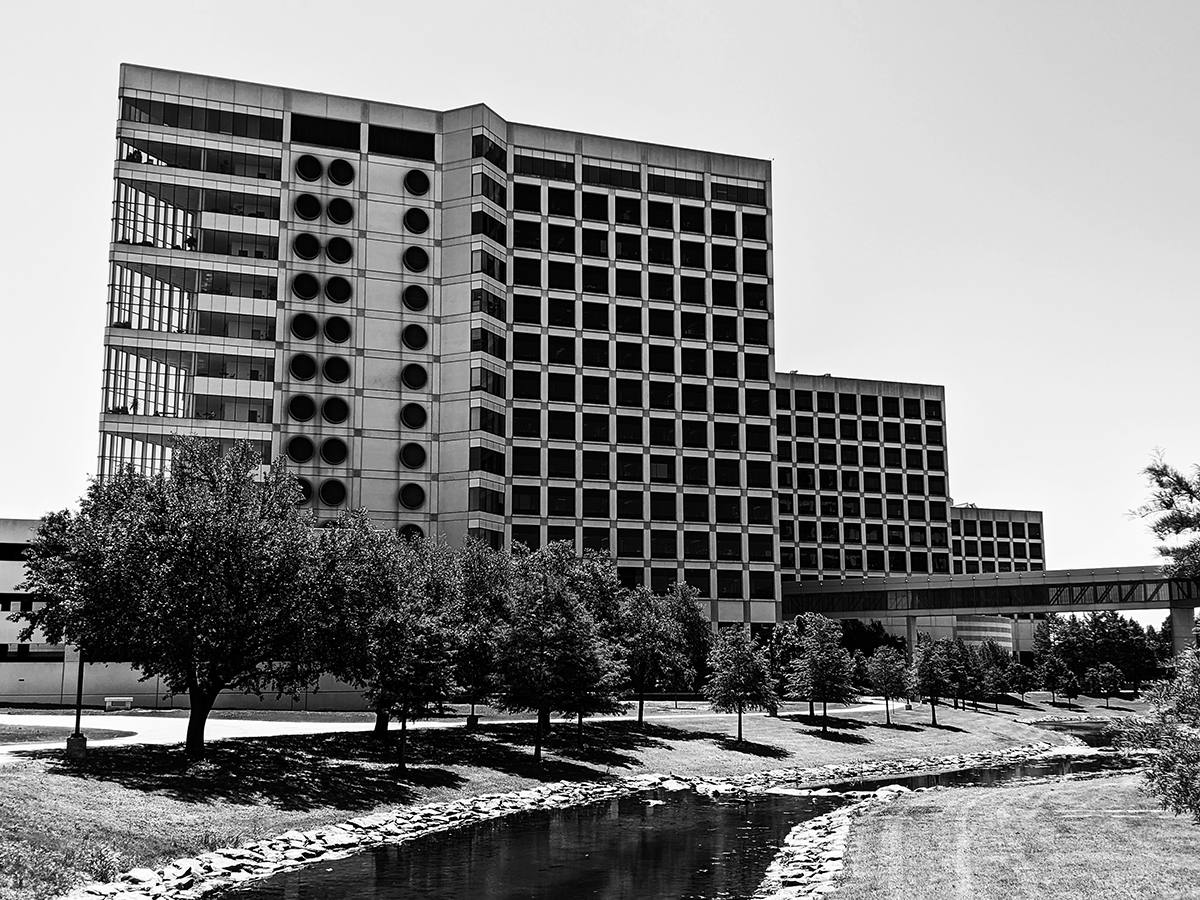
Pool lab is a member of the Department of Neuroscience and the new Peter O’Donnell Jr. Brain Institute at the University of Texas Southwestern Medical Center in Dallas. We are also affiliated with the Department of Anesthesiology and Pain Management. Pool Lab is located in the new O’Donnell Brain Institute (NS) building.